

Where to Find Clean Diesel Fuel for Industrial Operations in California?

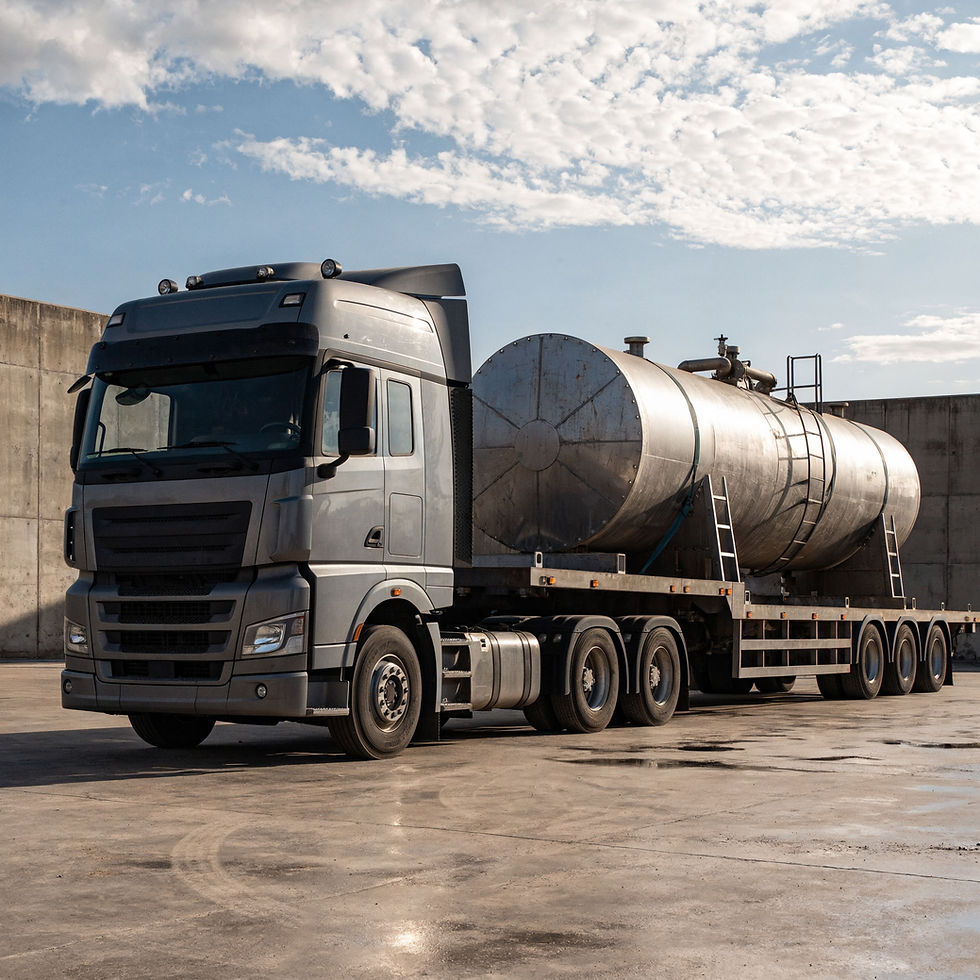
Industrial businesses across California depend on diesel fuel to power generators, heavy machinery, construction equipment, and commercial vehicles. But as companies look to reduce emissions and improve operational efficiency, finding reliable suppliers of cleaner diesel alternatives has become increasingly important.
Renewable diesel and lower-carbon diesel blends offer practical options for businesses that want to reduce their environmental impact without replacing existing equipment.
Here's what industrial operators should know about clean diesel fuel options, where to purchase them, and how to arrange reliable delivery.
What Clean Diesel Fuel Options Are Available in California?
California businesses have several diesel fuel options, each with different characteristics and environmental benefits.
Ultra-Low Sulfur Diesel (ULSD) — Conventional diesel containing no more than 15 parts per million sulfur, designed for modern diesel engines and emissions control systems.
Renewable Diesel (R99) — A lower-carbon alternative produced from renewable feedstocks, including used cooking oil and animal fats. It can generally be used in compatible diesel engines without modifications.
Biodiesel Blends (B5 and B20) — Fuels combining petroleum diesel with renewable biodiesel to reduce petroleum dependence.
Renewable diesel and biodiesel blends can offer lower lifecycle greenhouse gas emissions compared with conventional diesel, depending on their feedstocks and production methods.
The right choice depends on equipment compatibility, fuel requirements, and operational needs.
Where Can Industrial Businesses Buy Clean Diesel Fuel?
Industrial businesses can purchase diesel and renewable fuel alternatives through commercial fueling stations, mobile fueling providers, and bulk fuel distributors.
The most suitable option depends on how much fuel a business consumes and where its equipment operates.
Bulk fuel delivery — Ideal for factories, warehouses, construction sites, and industrial facilities with approved on-site storage tanks.
Mobile fueling — Delivers fuel directly to equipment, generators, and commercial vehicles, reducing unnecessary trips to fueling stations.
Card lock stations — Provide secure fueling access for commercial vehicles operating on established routes.
For businesses managing multiple locations or large equipment fleets, combining these services can improve fueling flexibility and reduce operational disruptions.
What Should Industrial Operators Consider When Choosing a Fuel Supplier?
Reliable fuel delivery is essential for maintaining productivity, particularly when diesel-powered equipment supports critical operations.
Before selecting a supplier, industrial businesses should evaluate:
Fuel quality — Confirm that diesel and renewable fuel products meet applicable ASTM standards and equipment manufacturer requirements.
Delivery reliability — Look for scheduled deliveries and emergency fueling options.
Storage requirements — Ensure tanks are suitable for the selected fuel and properly maintained.
Fuel tracking — Choose suppliers offering delivery records, consumption reporting, and consistent billing.
Service coverage — Confirm availability at industrial facilities, warehouses, and job sites.
A supplier offering multiple delivery methods can help businesses maintain consistent fuel access as operational needs change.
How Clean Diesel Fuel Supports Industrial Operations
Switching to renewable diesel or compatible biodiesel blends can help industrial businesses reduce petroleum dependence and potentially lower lifecycle greenhouse gas emissions.
Renewable diesel is particularly useful because qualifying products meet conventional diesel specifications, allowing many businesses to use existing engines and fueling infrastructure.
Additional operational benefits may include:
Reduced need for major equipment modifications
Flexible fueling for generators and heavy machinery
More efficient fuel management through scheduled deliveries
Support for corporate sustainability and emissions reduction goals
However, lower lifecycle emissions do not necessarily mean lower emissions of every tailpipe pollutant. Actual environmental benefits depend on fuel composition, equipment, and operating conditions.
How Dogpatch Biofuels Supports California Industrial Businesses
Dogpatch Biofuels provides renewable diesel and Ultra Clean Diesel fueling solutions for industrial facilities, construction companies, commercial fleets, and generator operators throughout San Francisco and the greater Bay Area.
Its services help businesses maintain reliable fuel access while exploring lower-carbon alternatives.
Available fueling solutions include:
Bulk Fuel Delivery — Scheduled and emergency diesel delivery to approved on-site storage tanks at industrial facilities, warehouses, and construction sites.
Mobile Fueling Services — Direct delivery of diesel and renewable fuel options to commercial vehicles, heavy equipment, and generators.
Card Lock Fueling Services — Secure, 24/7 access to Dogpatch Biofuels' San Francisco fueling station at 765 Pennsylvania Avenue, with volume discounts and fuel tracking.
Dogpatch Biofuels serves San Francisco, Oakland, San Jose, Berkeley, the East Bay, the Peninsula, and surrounding communities.
The Bottom Line
Finding clean diesel fuel for industrial operations in California starts with selecting a fuel that meets equipment requirements and a supplier that can provide consistent delivery.
Renewable diesel and biodiesel blends offer opportunities to reduce lifecycle greenhouse gas emissions, while bulk delivery, mobile fueling, and card lock services help businesses manage fuel consumption efficiently.
For industrial businesses in the San Francisco Bay Area, Dogpatch Biofuels provides commercial fueling solutions designed to support reliable operations and lower-carbon fuel options.


